May 21, 2026
Protecting your home from water damage starts at the roofline, where a functional drainage system directs runoff away from your foundation. While often overlooked, the quality of your gutters dictates the long-term health of your siding, landscaping, and basement. Choosing the right components during gutter installations ensures that your property remains resilient against even the heaviest seasonal downpours.
1. Selecting the Right Material for Durability
The material you choose is the primary factor in determining both the lifespan and the price point of your system. Aluminum remains the most popular choice for modern gutter installations because it is lightweight, resistant to rust, and available in a vast array of colors to match your home’s exterior. For those seeking a more high-end or historic look, copper gutters offer unparalleled longevity and a beautiful patina that develops over time, though they require a significantly higher initial investment. On the budget-friendly side, vinyl gutters are easy to install and won't corrode, but they may become brittle and crack in regions that experience extreme temperature fluctuations. Steel is another robust option, offering incredible strength against heavy snow loads, though it must be properly galvanized to prevent eventual rusting.
2. Determining the Correct Size and Capacity
Gutter systems are not one-size-fits-all, and selecting the wrong capacity can lead to frequent overflows and water damage. Most residential homes utilize 5-inch or 6-inch K-style gutters, but the pitch of your roof and the average rainfall in your area should dictate the final decision. A steep roof accelerates the speed of water runoff, requiring a wider gutter and larger downspouts to handle the volume without spilling over the front edge. To plan effectively, you must calculate the total surface area of your roof to determine the necessary volume of materials. According to This Old House, a 2,000-square-foot home will likely need about 200 linear feet of gutter. Ensuring you have the right dimensions from the start prevents the system from being overwhelmed during a summer deluge.
3. Deciding Between Seamless and Sectional Designs
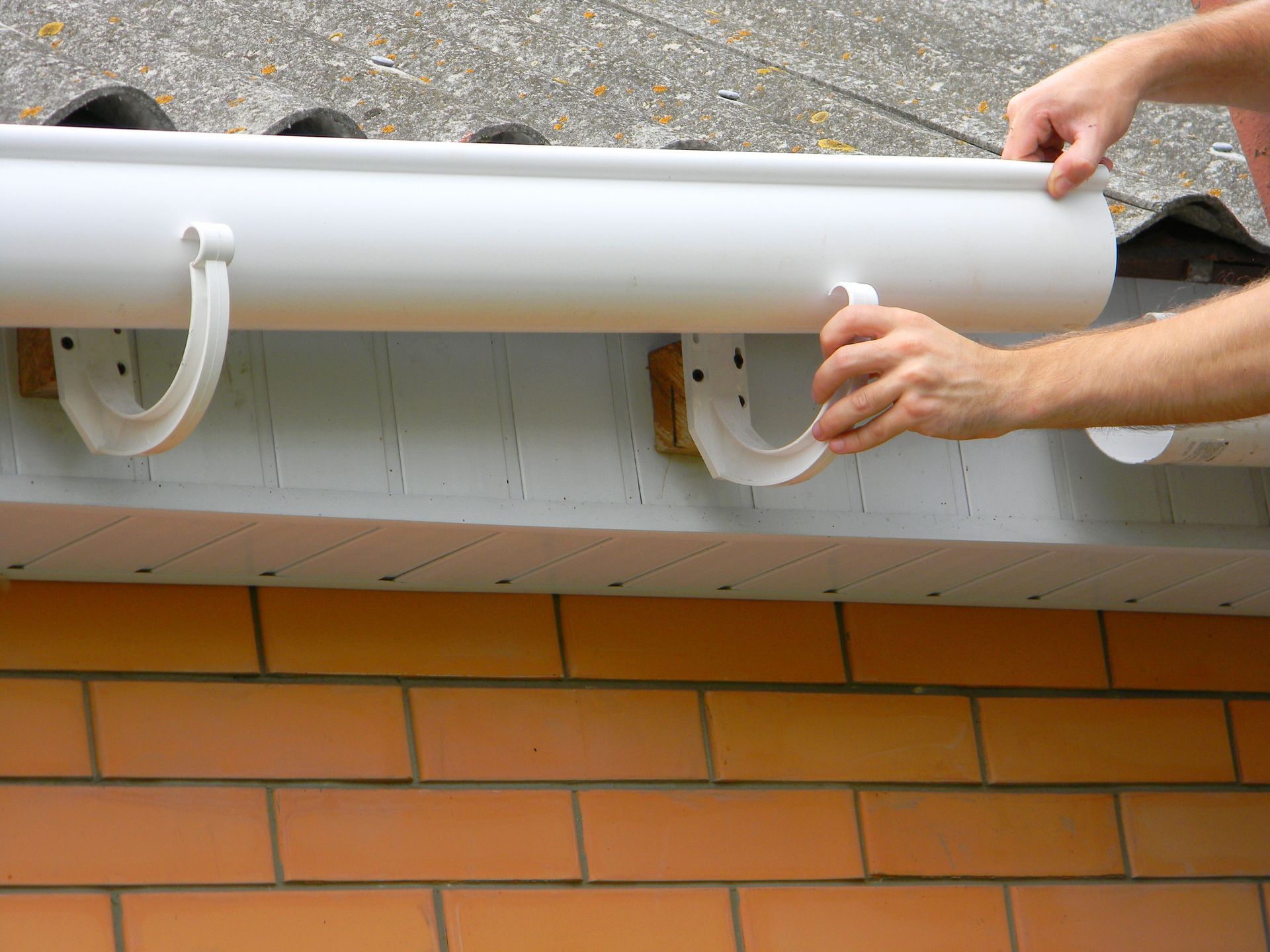
One of the most critical choices in the planning phase is whether to opt for sectional or seamless gutters. Sectional gutters are sold in pre-cut lengths and are joined together during the process of gutter installations using connectors and sealant. While these are popular for DIY projects, every seam represents a potential failure point where leaks can develop over time as the sealant wears down. Seamless gutters, conversely, are custom-fabricated on-site from a single continuous roll of metal using a specialized machine. Because they only have joints at the corners and downspouts, they are significantly less likely to leak and offer a much cleaner, more professional aesthetic. Most homeowners find that the slightly higher cost of seamless technology is worth the reduction in future maintenance headaches.
4. Positioning Downspouts for Maximum Drainage
A gutter is only as effective as the downspouts that carry the water to the ground. Proper placement is essential to ensure that the water doesn't pool near the base of your home, which can lead to foundation cracks and basement flooding. Generally, you should have one downspout for every 20 to 30 feet of guttering to ensure efficient transit of water away from the roofline. Beyond the number of downspouts, you must consider where that water is going once it hits the ground. Using splash blocks or underground tile extensions can help move the discharge at least five to ten feet away from the foundation. Expertly planned gutter installations take the entire topography of the yard into account to prevent creating "swampy" areas in your lawn or garden beds.
5. Evaluating the Need for Leaf Guards
Maintenance is the "hidden" cost of any gutter system, and many homeowners choose to install leaf guards to minimize the need for biannual cleanings. These guards or covers sit on top of the gutter and allow water to enter while deflecting leaves, twigs, and pine needles. There are several types available, including mesh screens, surface tension hoods, and foam inserts, each with varying degrees of effectiveness depending on the type of debris your trees produce. For example, micro-mesh filters are exceptional at blocking tiny pine needles and oak tassels, whereas larger screens are better suited for broad-leafed environments.
While guards represent an additional upfront expense during gutter installations, they can save you thousands of dollars in professional cleaning costs and prevent the dangerous task of climbing ladders every autumn. Beyond simple convenience, these systems act as a secondary filtration layer that prevents silt and shingle grit from accumulating in the downspouts, which can cause internal blockages that are difficult to clear. Furthermore, preventing clogs ensures that the water never backs up under your shingles, which is a leading cause of roof rot.
6. Calculating the Appropriate Pitch and Slope
To the naked eye, a gutter system might look perfectly level, but it actually requires a slight slope to function correctly. This is known as the "pitch," and it ensures that water moves toward the downspouts rather than sitting stagnant in the troughs. Standing water is not only heavy, which can cause the gutters to sag and pull away from the house, but it also serves as a breeding ground for mosquitoes and other pests. Furthermore, if water remains trapped during the winter months, it can freeze and create "ice dams," which place immense strain on the fascia boards and roof edge.
The common rule of thumb is a 1/2-inch of slope for every 10 feet of gutter run. While this may sound like a minor adjustment, an over-pitched gutter can look aesthetically slanted and potentially overshoot the downspout during heavy rain, while an under-pitched one leads to immediate pooling and debris accumulation. Achieving this precise angle requires a steady hand and professional tools, as an improper pitch is the most common reason for system failure shortly after new gutter installations are completed. Specialists often use laser levels to ensure the gradient is consistent across the entire length of the roofline, guaranteeing optimal performance.
7. Considering Professional vs. DIY Labor
While the advent of big-box hardware stores makes DIY projects tempting, the complexity of a proper gutter system often warrants professional expertise. Professionals have access to the specialized machinery required for seamless fabrication and possess the safety equipment necessary for working at significant heights. They also understand the nuances of local building codes and can identify underlying issues, such as rotten fascia boards, that must be repaired before the new gutters are attached. Investing in professional gutter installation provides a level of warranty and peace of mind that a self-installed system cannot offer. When you consider the value of your home's foundation and roof, the cost of expert labor is a relatively small price to pay for a system that will function flawlessly for twenty years or more.
Investing time in selecting the right materials and configurations ensures your home remains protected from the elements for decades. By focusing on critical factors like seamless design, proper pitch, and adequate sizing, you eliminate the risks associated with water runoff. Ultimately, a well-planned gutter system is the first and most important line of defense for your property’s structural integrity. If you are looking for reliable gutter installations for your property, contact TK Gutters today to learn more and get started today!